Published : 2025-12-21
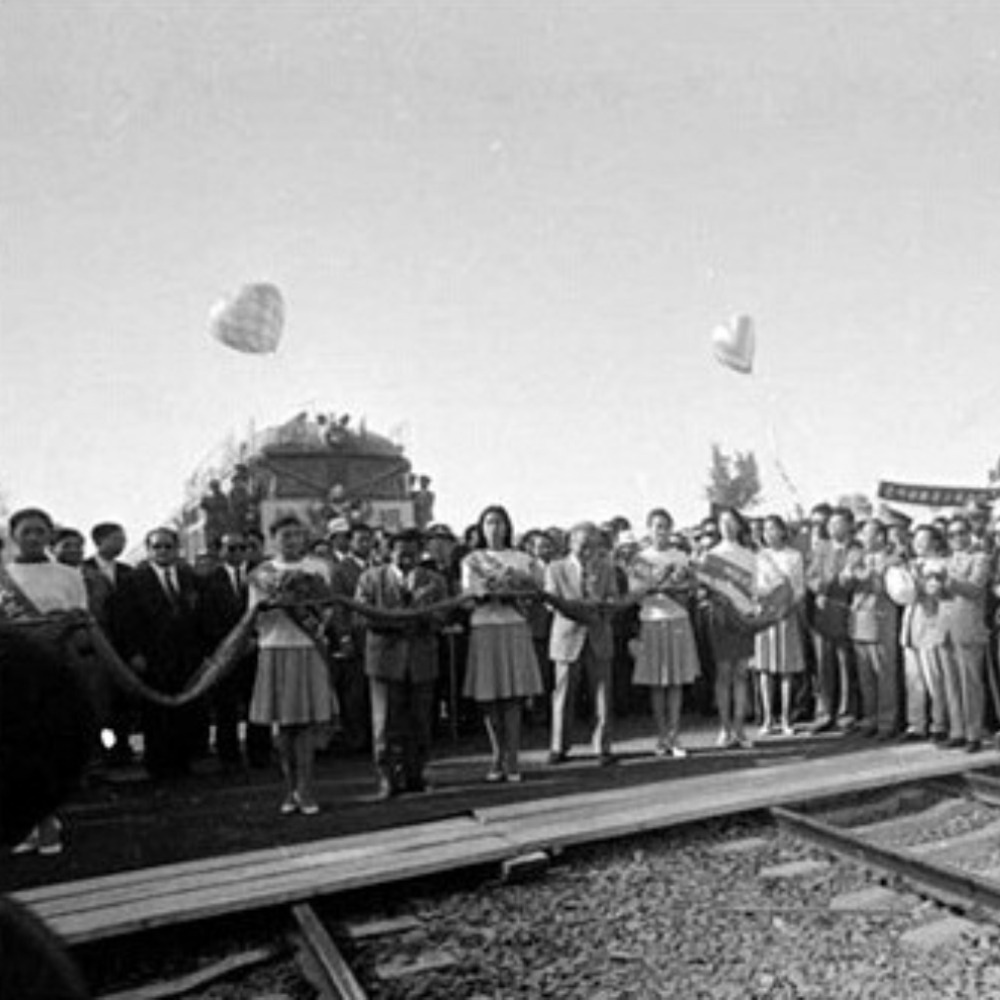
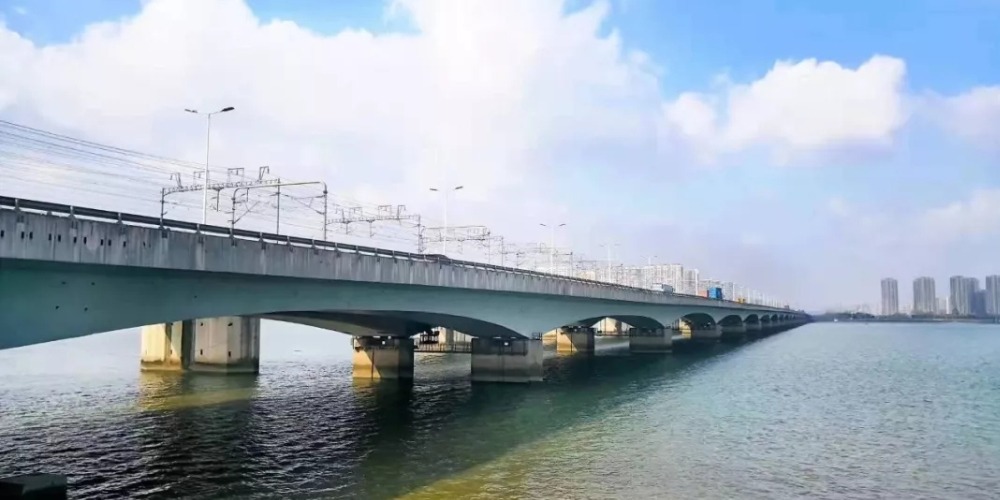
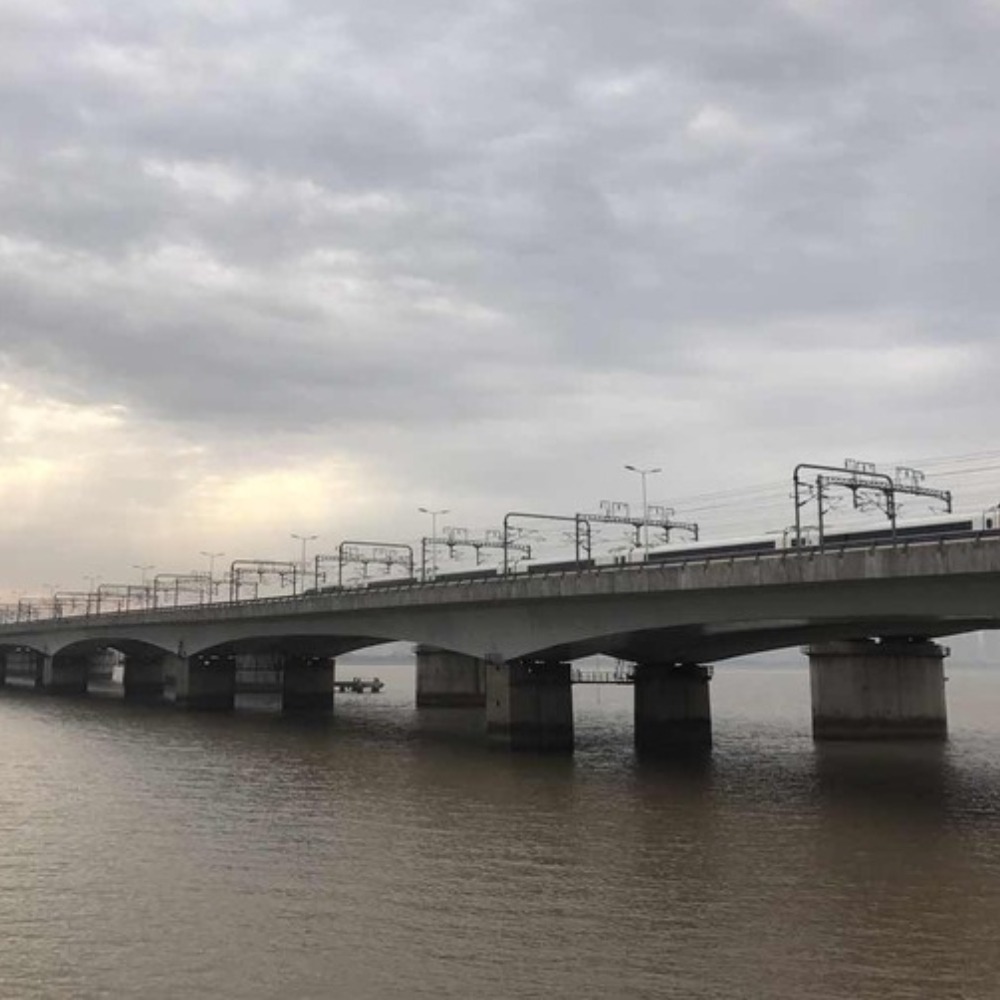
On 21 December 1991, China's Second Qiantang River Bridge (Pengbu Bridge, 彭埠大橋) project was fully completed.
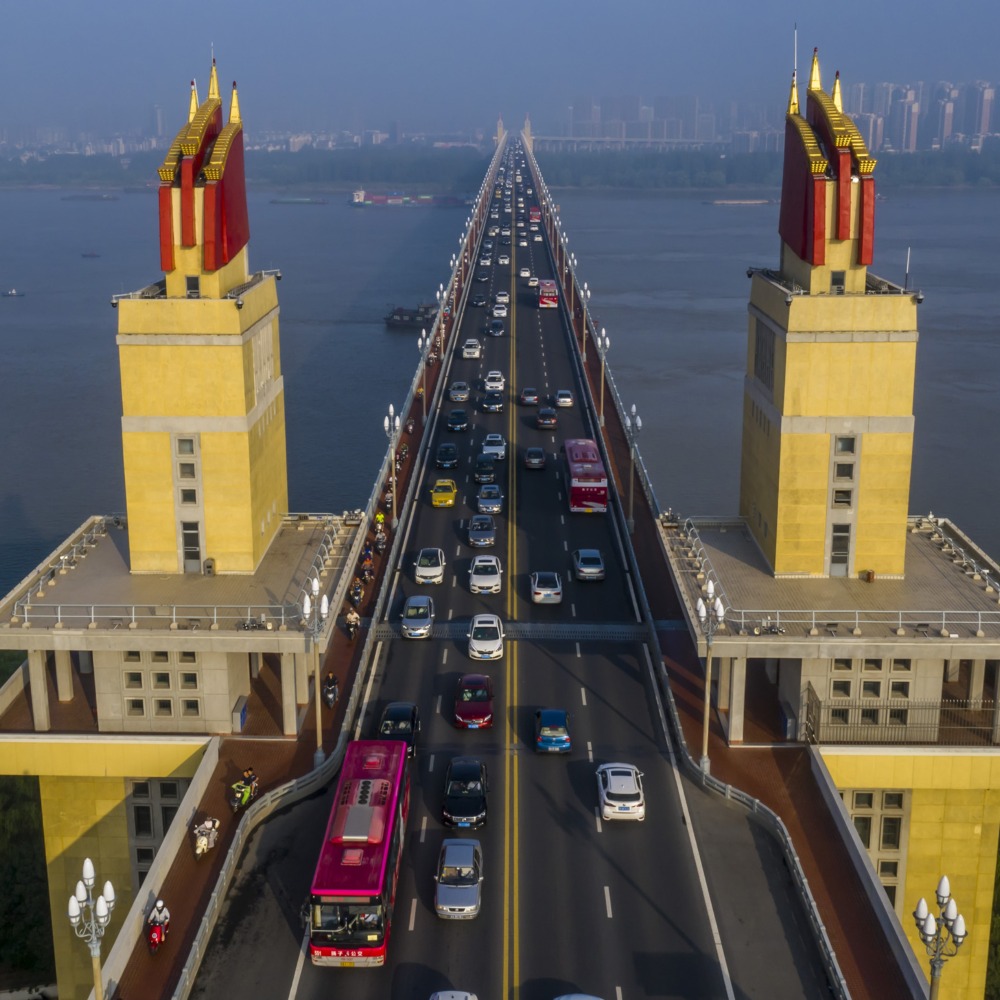
It is the world's first major bridge built over a river section with strong tidal bores, and an extra-large bridge where the road and railway are on the same plane, yet are completely separate and run parallel to each other.
The origin of the Second Qiantang River Bridge dates back to October 1986. At that time, due to the increased traffic volume on the Qiantang River Bridge which could no longer bear the load, the Chinese government held a railway construction conference for the East China region in Hangzhou, where it was decided that a new Second Qiantang River Bridge would be built, adopting the Sibao bridge location plan.
The Second Qiantang River Bridge connects Sibao in Hangzhou to the north and Yingfeng in Xiaoshan to the south, and as a "dual bridge" for both railway and road traffic, the railway bridge connects to Hangzhou East Railway Station on the Zhejiang-Jiangxi railway line in the north and Yingning Station on the Zhejiang-Jiangxi railway line in the south, with a total length of approximately 2,800 metres.
When the bridge first opened, it operated as a single-track railway, with provisions reserved for a double track, and it was officially converted to a double-track line in 1997.
The road bridge is located downstream, running close to the railway bridge, with a total length of approximately 2,100 metres and a total of 4 lanes. The distance between the centres of the two bridges is about 16 metres.
The Second Bridge connects the Shanghai-Hangzhou, Zhejiang-Jiangxi, Xuan-Hang, and Xiaoshan-Ningbo railway lines. Iis one of the key projects of the Ministry of Railways' "Central to East China" railway construction initiative, relieving the pressure on the Qiantang River Bridge and promoting the economic development of both banks of the Qiantang River and East China.
The Second Qiantang River Bridge was temporarily closed for renovation from May 2020. After the renovation is completed, it will no longer be part of the Shanghai–Hangzhou–Ningbo Expressway and will become part of the surface roads in Hangzhou city.